Tea Tree Oil for Nail Fungus: What the Human Evidence Actually Shows
Review the randomized trial, NCCIH assessment and why tea tree oil evidence does not automatically prove a multi-ingredient finished product works.
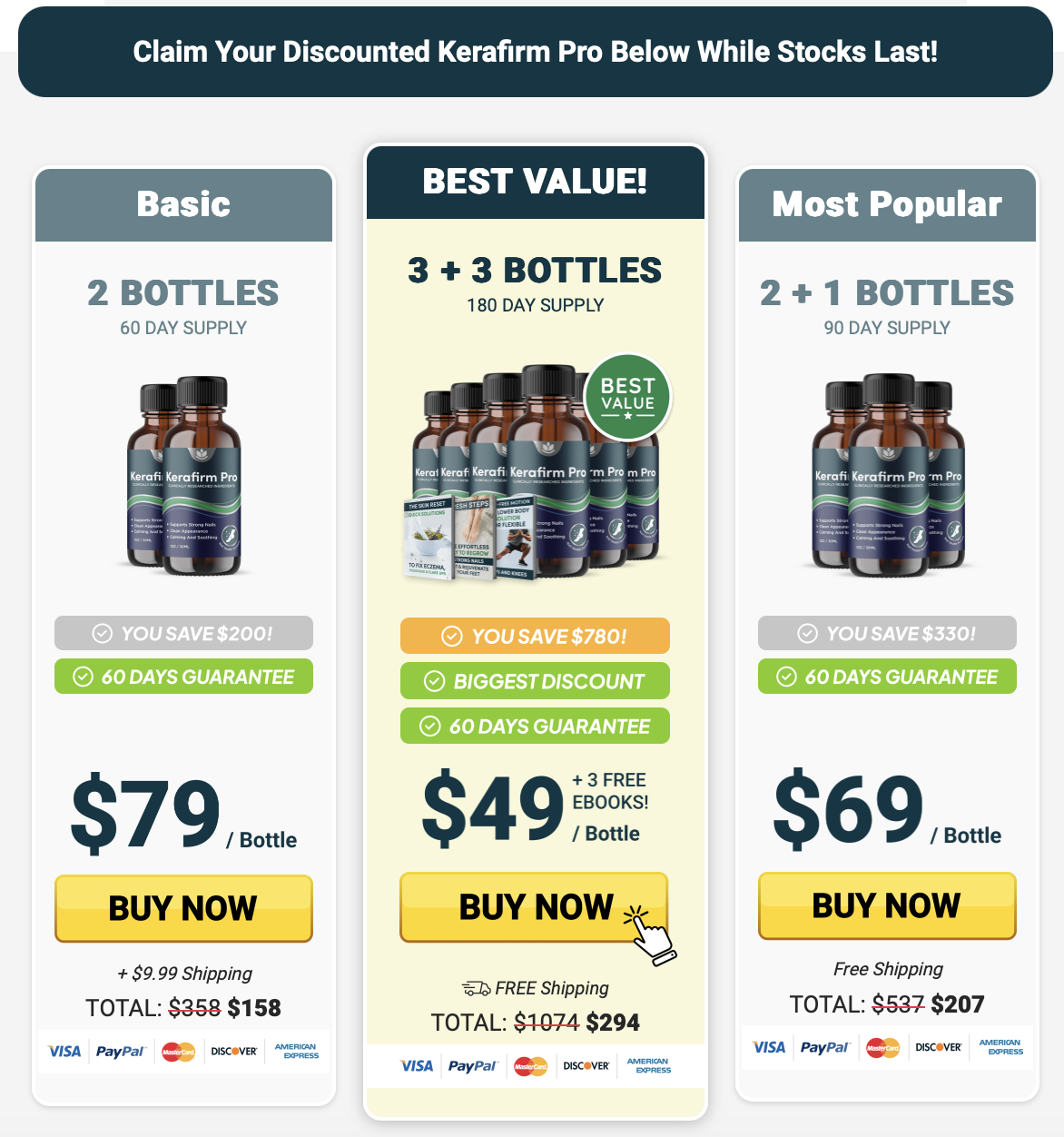
Compare KeraFirm Pro Packages Separately From the Clinical Evidence
Commercial terms can change. Check the merchant page for current pricing, shipping and guarantee details.
Check Current OfferDo Not Merge Medical Treatment Evidence With Consumer Product Marketing
Clinical treatment evidence
Prescription medicines and procedures should be evaluated using clinical guidance and intervention-specific studies.
Ingredient evidence
Research on a single oil, extract or antifungal ingredient may not predict the result of a multi-ingredient formula.
Finished-product evidence
KeraFirm Pro needs its own finished-product evidence for efficacy claims; merchant positioning alone is not clinical proof.
The most cited randomized trial
A 1994 randomized, double-blind multicenter trial enrolled 117 people with culture-confirmed distal subungual onychomycosis. Participants applied either 100% tea tree oil or 1% clotrimazole solution twice daily for six months, with debridement performed during follow-up.
What the trial found
At six months, culture cure was reported in 18% of the tea tree oil group and 11% of the clotrimazole group. Partial or full clinical resolution was around 60% in both groups. These results are interesting but should be interpreted in the context of an older study, modest cure rates and the specific products tested.
NCCIH remains cautious
NCCIH states that only a few studies have examined tea tree oil for fungal nail infections and that the amount and quality of evidence are insufficient to support firm conclusions. This is more cautious than many commercial summaries online.
Safety and formulation still matter
Tea tree oil is for topical use and should not be swallowed. Formulation, concentration and skin sensitivity matter. A study of 100% tea tree oil cannot be used to predict the effect of a lower-concentration multi-ingredient product.
What this means for KeraFirm Pro
If KeraFirm Pro contains tea tree oil, the tea tree research provides ingredient context only. It does not establish the efficacy of KeraFirm Pro itself. Buyers should also examine the full formula, instructions, merchant terms and any finished-product evidence.
Continue Through the Treatment Research Path
Commercial KeraFirm Site
Price, packages, guarantee, shipping and purchase-route information.
Open buying guide →Sources Used for This Guide
Source interpretation is intervention-specific. A study or guideline about one medicine, oil, device or procedure should not be treated as evidence for a different finished product.
Questions to Resolve Before Choosing a Treatment
Should I confirm the diagnosis before treatment?
Yes, especially before systemic treatment or when the nail appearance could have another cause. Several non-fungal nail disorders can look similar.
Does ingredient research prove KeraFirm Pro works?
No. Ingredient studies provide context but do not automatically establish efficacy for the finished multi-ingredient product.
Where can I review KeraFirm Pro price and packages?
Use en-kera-firm.com for the commercial buying guide or open the merchant offer directly.
Where can I find evidence and catalog context?
Use the MPS KeraFirm Pro review for evidence interpretation and MenPS for structured catalog information.
Research First, Then Compare the Current KeraFirm Pro Offer
Keep treatment evidence, ingredient evidence and merchant claims separate, then review current commercial terms before ordering.
Check Current Offer Open Buying Guide