Oral vs Topical Antifungals: How the Treatment Routes Differ
Compare how oral and topical antifungal approaches differ in intensity, monitoring, convenience and treatment time before considering a consumer nail-care product.
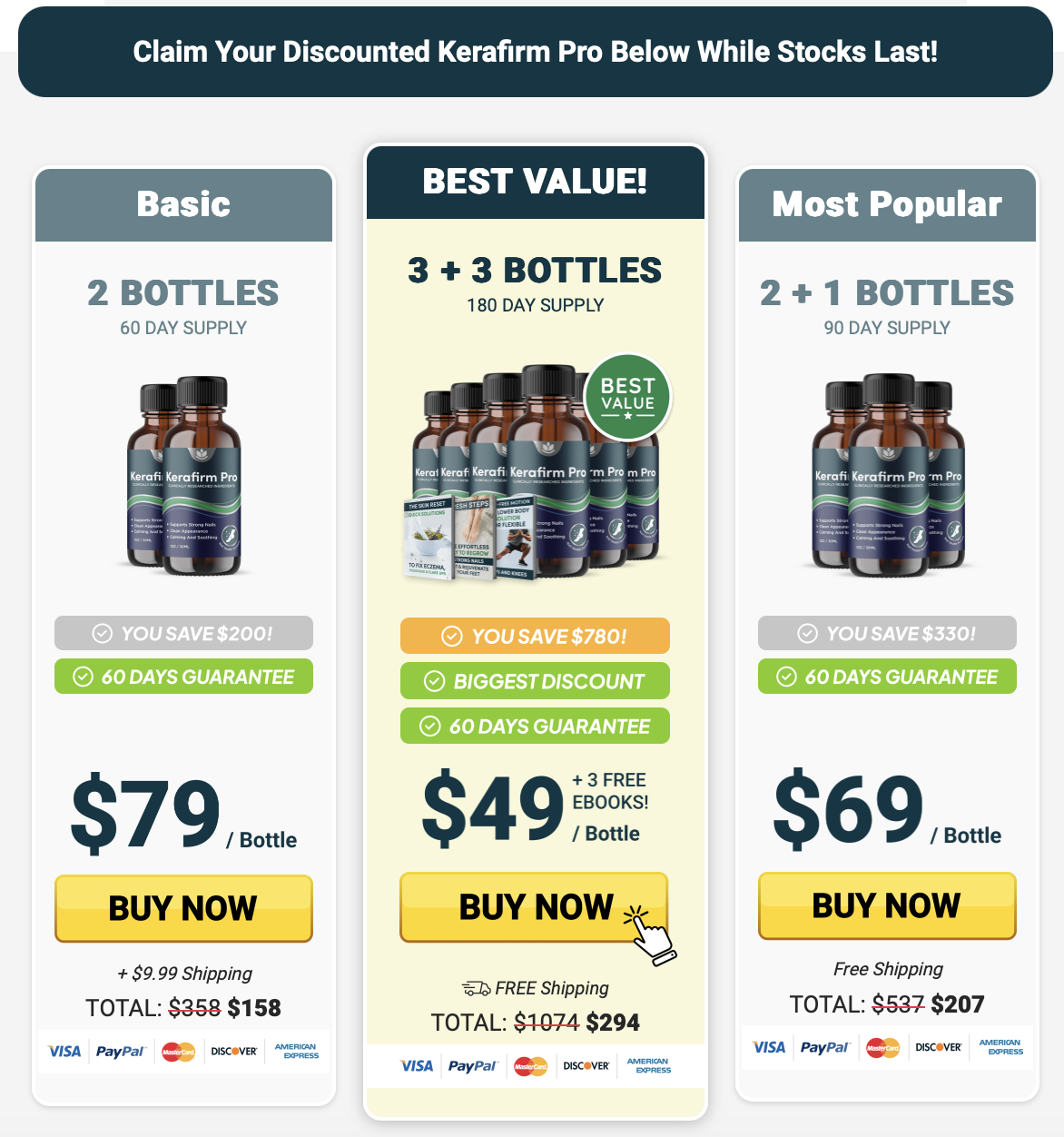
Compare KeraFirm Pro Packages Separately From the Clinical Evidence
Commercial terms can change. Check the merchant page for current pricing, shipping and guarantee details.
Check Current OfferDo Not Merge Medical Treatment Evidence With Consumer Product Marketing
Clinical treatment evidence
Prescription medicines and procedures should be evaluated using clinical guidance and intervention-specific studies.
Ingredient evidence
Research on a single oil, extract or antifungal ingredient may not predict the result of a multi-ingredient formula.
Finished-product evidence
KeraFirm Pro needs its own finished-product evidence for efficacy claims; merchant positioning alone is not clinical proof.
The core difference is route of treatment
Oral antifungal medicines work systemically after being swallowed, while topical medicines are applied directly to the nail. These routes differ in exposure, monitoring, interaction risk and convenience. A person choosing between them should first have the diagnosis reasonably established, because other nail disorders can resemble fungal disease.
When oral therapy enters the discussion
Dermatologists may use oral antifungal medicines when a more aggressive treatment is needed. AAD guidance lists oral antifungals such as terbinafine and notes that liver-function testing is part of care for some patients. That does not mean oral treatment is appropriate for everyone; medical history, other medicines and the organism involved can matter.
Why topical treatment remains attractive
Topical treatment avoids systemic exposure and can be attractive for limited disease or for people who cannot use an oral medicine. The trade-off is that nail penetration can be difficult and treatment often lasts many months. The practical question is not which route is universally better, but which route fits the confirmed diagnosis, severity and patient factors.
Consumer brush-on products sit in a different category
A consumer product such as KeraFirm Pro may use a brush-on routine, but it should not be described as the same thing as a prescription topical antifungal. Ingredient research can inform a buyer, yet the finished formula needs product-specific evidence if efficacy claims are made.
How to make the comparison useful
Compare diagnosis certainty, extent of nail involvement, medical supervision, treatment duration, safety monitoring, cost and adherence. If a buyer is mainly seeking cosmetic nail support rather than treatment of confirmed fungal disease, that is a different goal and should be framed separately.
Continue Through the Treatment Research Path
Commercial KeraFirm Site
Price, packages, guarantee, shipping and purchase-route information.
Open buying guide →Sources Used for This Guide
- American Academy of Dermatology: nail fungus treatment
- AAD Choosing Wisely recommendation on confirming fungal infection before oral antifungals
Source interpretation is intervention-specific. A study or guideline about one medicine, oil, device or procedure should not be treated as evidence for a different finished product.
Questions to Resolve Before Choosing a Treatment
Should I confirm the diagnosis before treatment?
Yes, especially before systemic treatment or when the nail appearance could have another cause. Several non-fungal nail disorders can look similar.
Does ingredient research prove KeraFirm Pro works?
No. Ingredient studies provide context but do not automatically establish efficacy for the finished multi-ingredient product.
Where can I review KeraFirm Pro price and packages?
Use en-kera-firm.com for the commercial buying guide or open the merchant offer directly.
Where can I find evidence and catalog context?
Use the MPS KeraFirm Pro review for evidence interpretation and MenPS for structured catalog information.
Research First, Then Compare the Current KeraFirm Pro Offer
Keep treatment evidence, ingredient evidence and merchant claims separate, then review current commercial terms before ordering.
Check Current Offer Open Buying Guide